
You Don’t Have a Lead Problem: You Have a Sales Pipeline Problem

Sales Pipeline Leaking
Posted by: rochelle Comments: 0

Every week, a business owner somewhere makes a decision that quietly costs them thousands of dollars. When business is slow, they look at their revenue, they feel anxiety, they wonder, ‘how to increase sales quickly’, and conclude they need more leads. So they hire a marketing agency, launch a new ad campaign, or double down on social media. A few weeks later, they’re still not closing deals, and now they’re also out of budget.

The diagnosis was wrong.

Before investing another dollar in lead generation, you need to ask a harder question: Is the problem that people aren’t finding you, or that people are finding you and falling through the cracks?

Need more sales

What "We Need More Leads" Actually Means

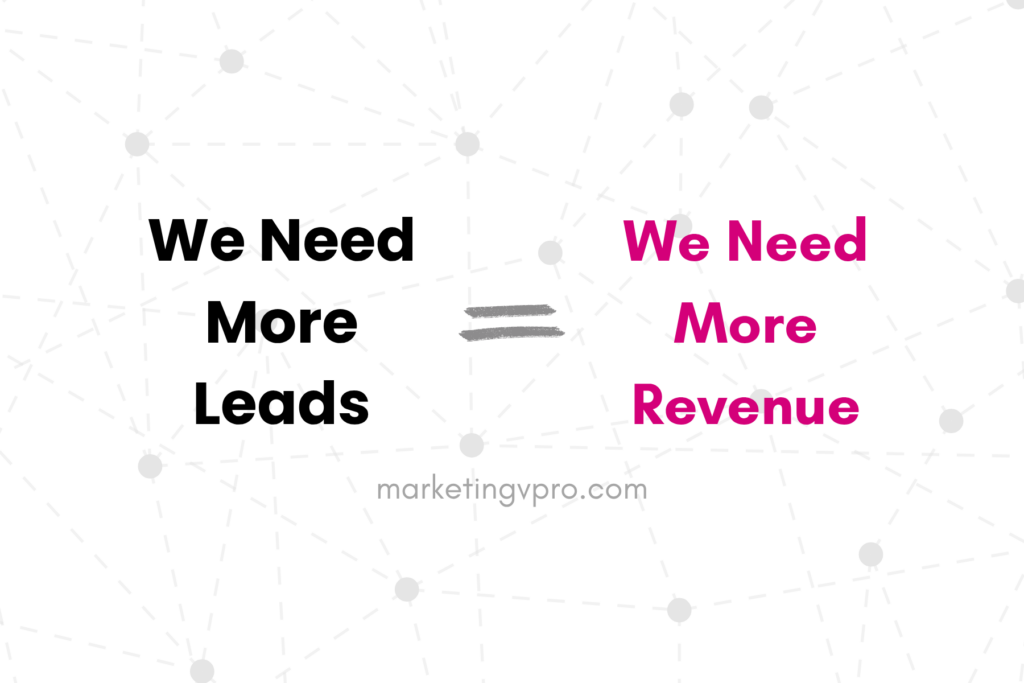
When a business owner says they need more leads, what they really mean is: we need more revenue. We need more closed deals. We need people who are interested, ready, and moving toward a decision.

But that frustration, the urgent, panicked feeling that the sales pipeline is dry, can cloud the real diagnosis. Most owner-operators are already doing a lot. They’re spending on marketing. They’re showing up online. And still, the sales conversions aren’t there. So they assume the issue is volume. More leads equals more deals, right?

Not always.

The Difference Between Lead Generation and Sales Pipeline Stabilization

Lead generation is the process of finding people who are interested in your services. It includes paid ads, SEO, referrals, social media, and outreach. Its job is simple: put interested people into your world.

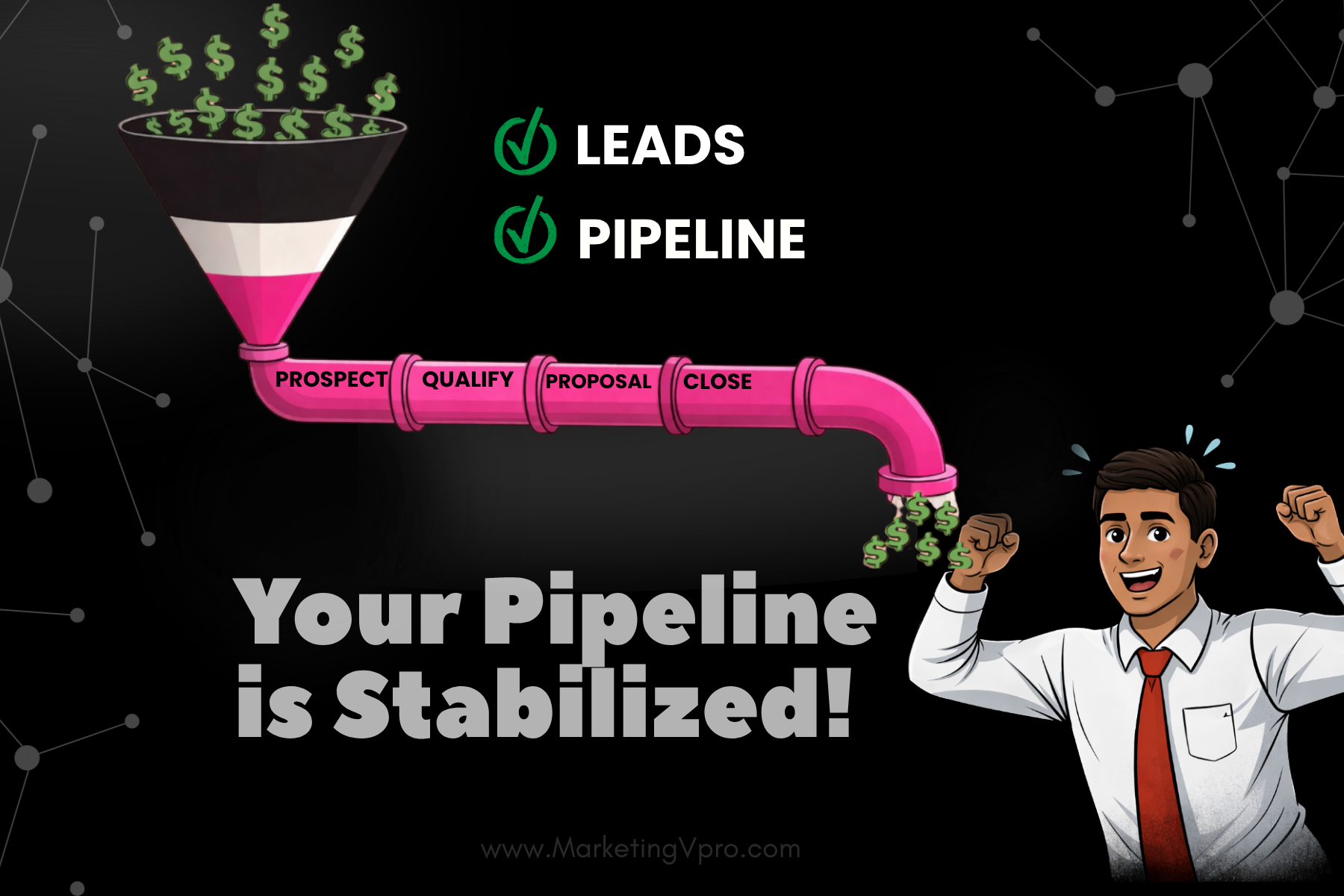
Sales Pipeline Stabilization is something different entirely. It’s the process of knowing where every interested person is in their decision-making journey, and intentionally moving them forward. It answers the question: once someone raises their hand, what happens next?

The goal of lead generation is to find more people to have a conversation with. The goal of pipeline stabilization is to turn contacts into conversations, and conversations into contracts.

Most businesses are obsessed with the first and neglect the second.

Lost sales leads

The Hidden Leaks You're Not Seeing

Here’s what a sales pipeline problem actually looks like in practice:

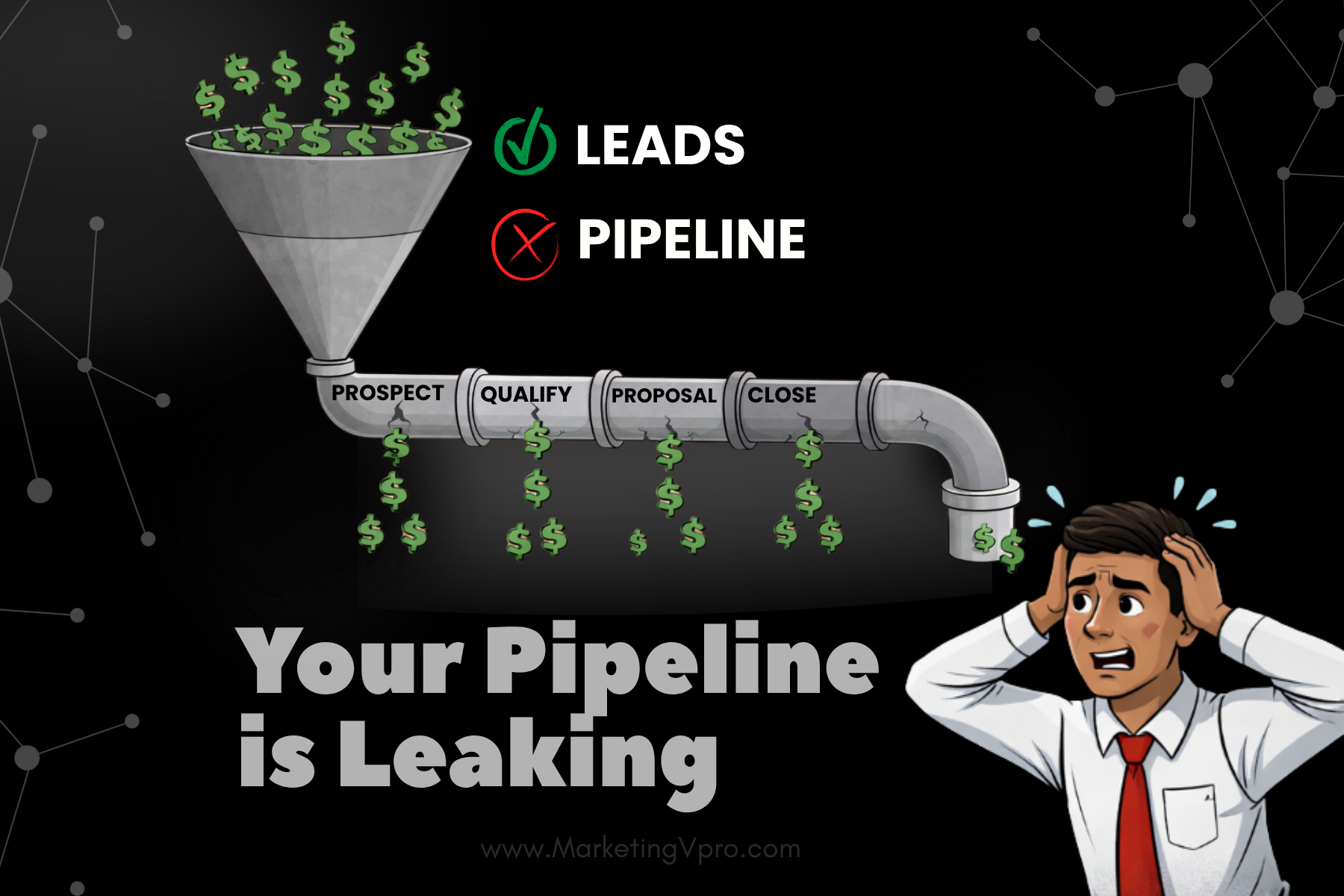
Leads come in, but no one follows up consistently. Calls get missed. Responses are delayed. A prospect says, “follow up with me next month” and never hears from you again. Your CRM is a graveyard of half-entered contacts and stalled deals with no clear next step.

Research consistently shows that most sales happen after five or more follow-up attempts, yet the majority of businesses stop at one to three. That gap is where revenue disappears.

There’s also the issue of what doesn’t exist: no repeatable follow-up system, no documented sales process, no templates or scripts, no notes from previous conversations. Every sales interaction starts from scratch, and every lead is essentially a new gamble.

When these gaps exist, adding more leads doesn’t fix anything. It amplifies the problem. You’re now letting more opportunities fall through the same cracks.

Sales Pipeline

Blog: A Practical Guide to Sales Pipeline Stabilization
When You Should Fix the Sales Pipeline First

If leads are coming in but not converting, the pipeline is the problem. The signs are clear: low close rates, disorganized or ignored CRM data, leads that go cold without explanation, and a sales cycle that keeps getting longer.

If this sounds familiar, the answer isn’t more advertising. The answer is to mine your business first. That means going back to your existing contact list, everyone who has ever expressed interest, and re-engaging them with intention and a system. There is almost always money sitting in a neglected pipeline before you ever need to go out and find new leads.

When Lead Generation Is the Right Focus

There are genuine cases where a business truly has a lead problem: no inquiries, no visibility, no consistent outreach, or an audience that doesn’t match the ideal client profile. In those situations, marketing investment makes sense.

But even then, the sales pipeline must be ready first. That means having a clear next step when someone expresses interest, follow-up systems in place, and a consistent process that prevents new leads from stalling the moment they enter your world. Being “ready for marketing” means the experience from first contact to signed contract is seamless, not improvised.

Sales pipeline problem

Stabilize Before You Scale

The principle is simple: fix the process now, so when you grow, you don’t have to slow down to fix it later.

When your lead generation and sales pipeline are aligned, when marketing brings people in, and your sales process moves them forward deliberately, you stop relying on luck and start building a real revenue engine.

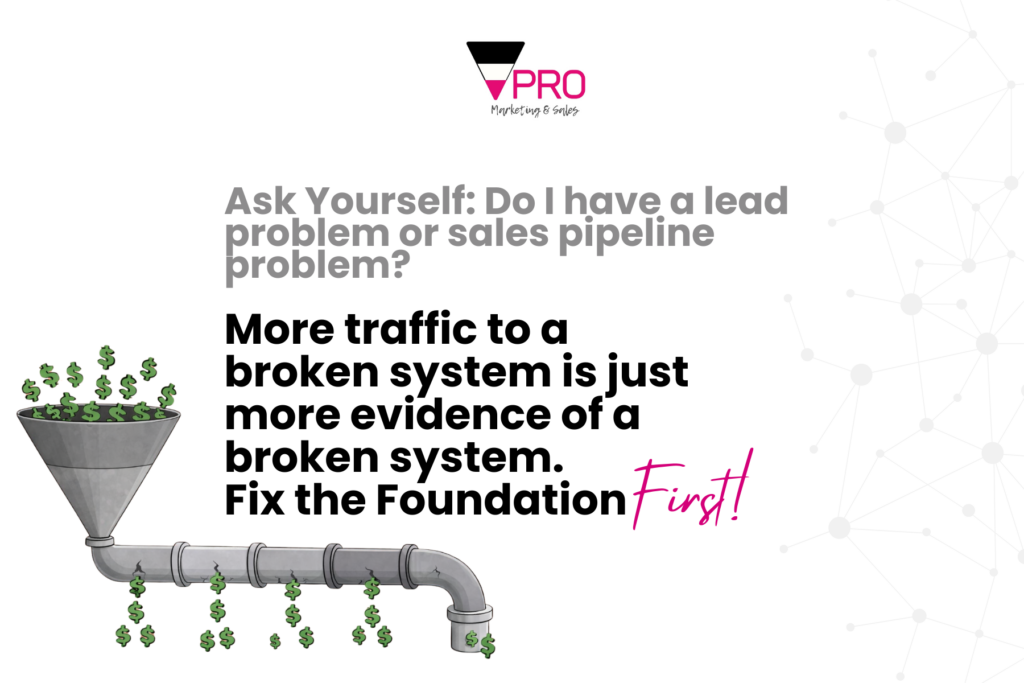
So before you launch the next campaign, ask yourself honestly: do I have a lead problem, or do I have a sales problem? Because more traffic to a broken system is just more evidence of a broken system.

Fix the foundation first. Then scale.